

We Love Wildlife
Wildlife guides, species profiles and conservation news, gathered from a small family of eight animal blogs.
We Love Wildlife is the home of eight specialist animal blogs. Each one is written by an editor who lives with a single group of animals, day in and day out: sharks, wolves, whales, elephants, pandas, dolphins, bears and tigers. This site is where those threads come together. It is the place to start if you are not sure which animal you came here for, the place to find the broad guides that cross between species, and the place to keep up with the best new writing from all eight blogs. Every claim we publish is checked against the IUCN Red List and the primary literature, and we link to the original wherever we can.
Choose an animal
Eight specialist blogs, each with its own editor, species coverage and shop. Pick an animal to dive in.

Sharks
Ancient ocean predators, and why so many of them now need our help.
Explore sharks
Wolves
Pack life, recovery, and the truth about a long misunderstood predator.
Explore wolves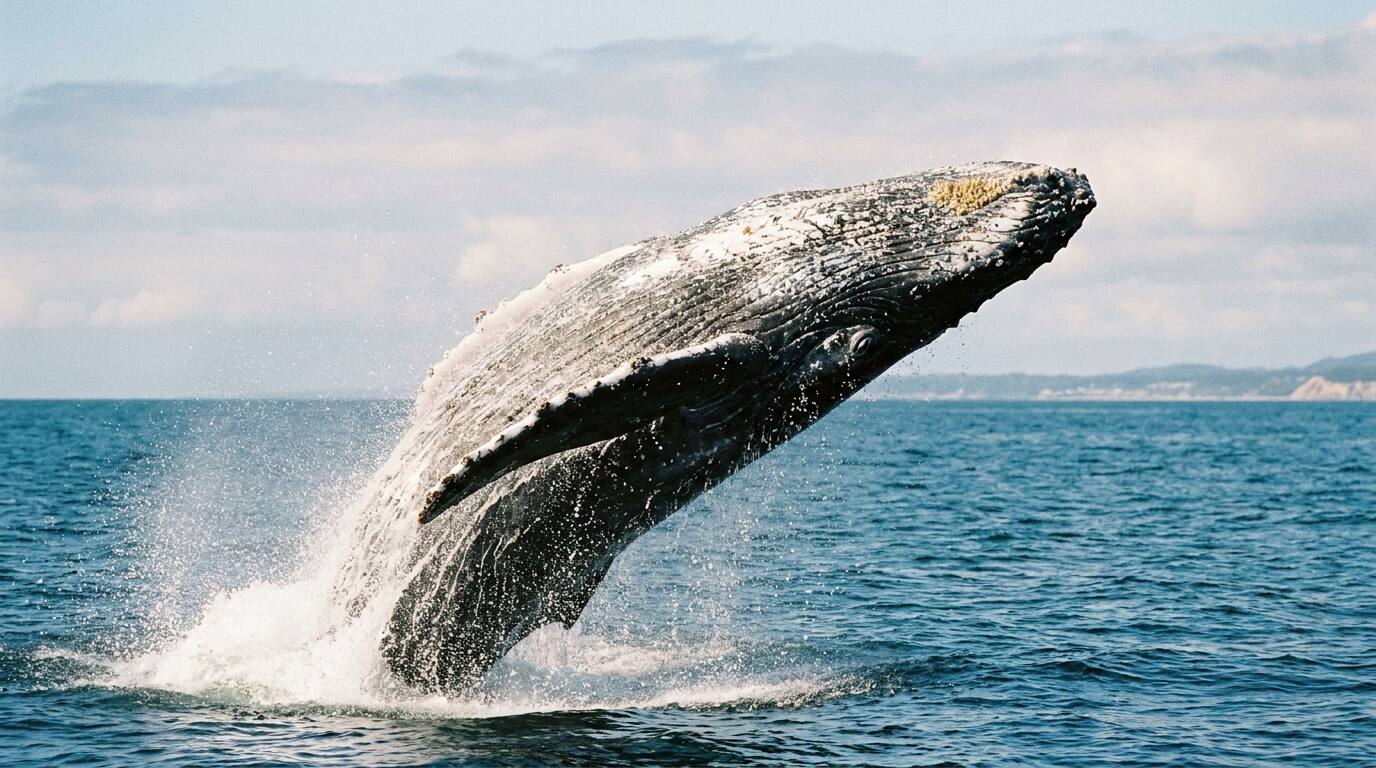
Whales
The giants of the ocean, from the blue whale to the humpback.
Explore whales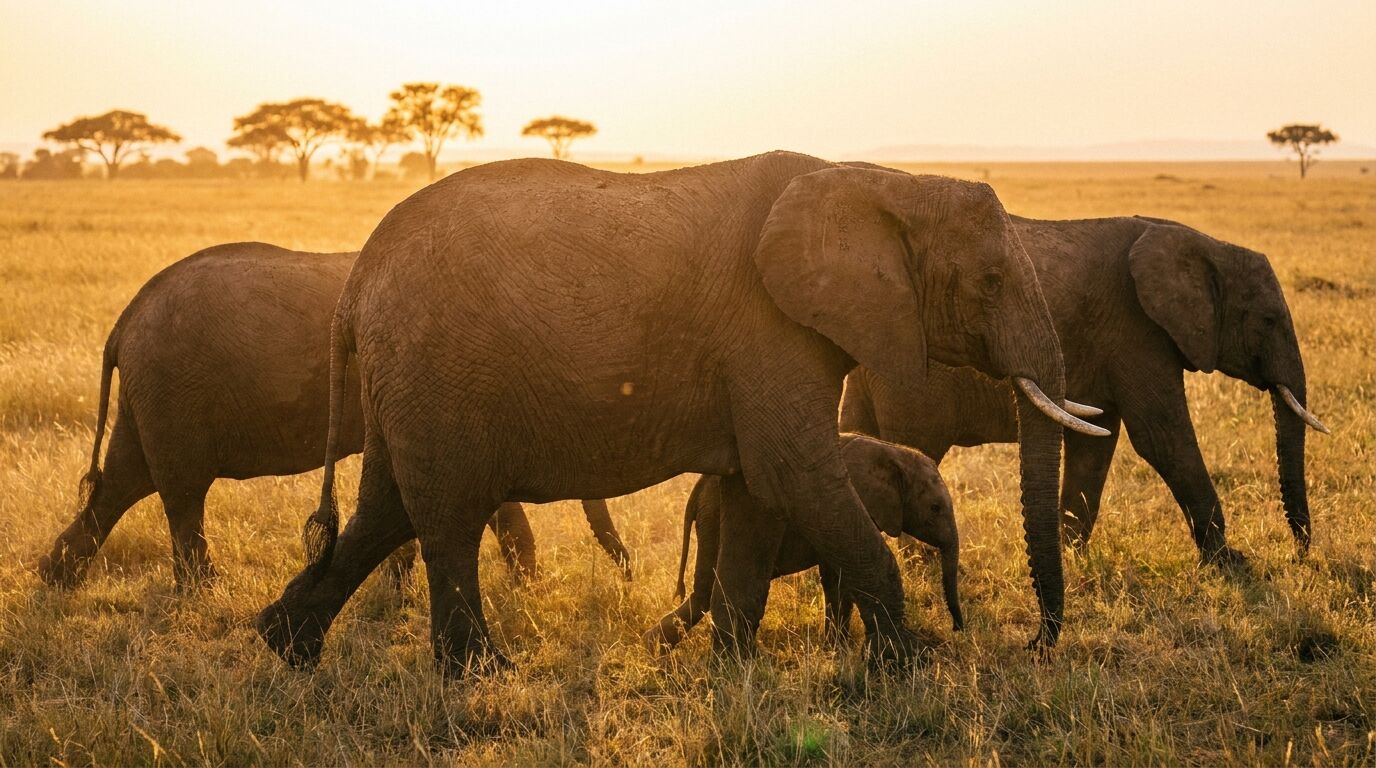
Elephants
The largest animals on land, and the long effort to protect them.
Explore elephants
Pandas
A genuine conservation success story that is still being written.
Explore pandas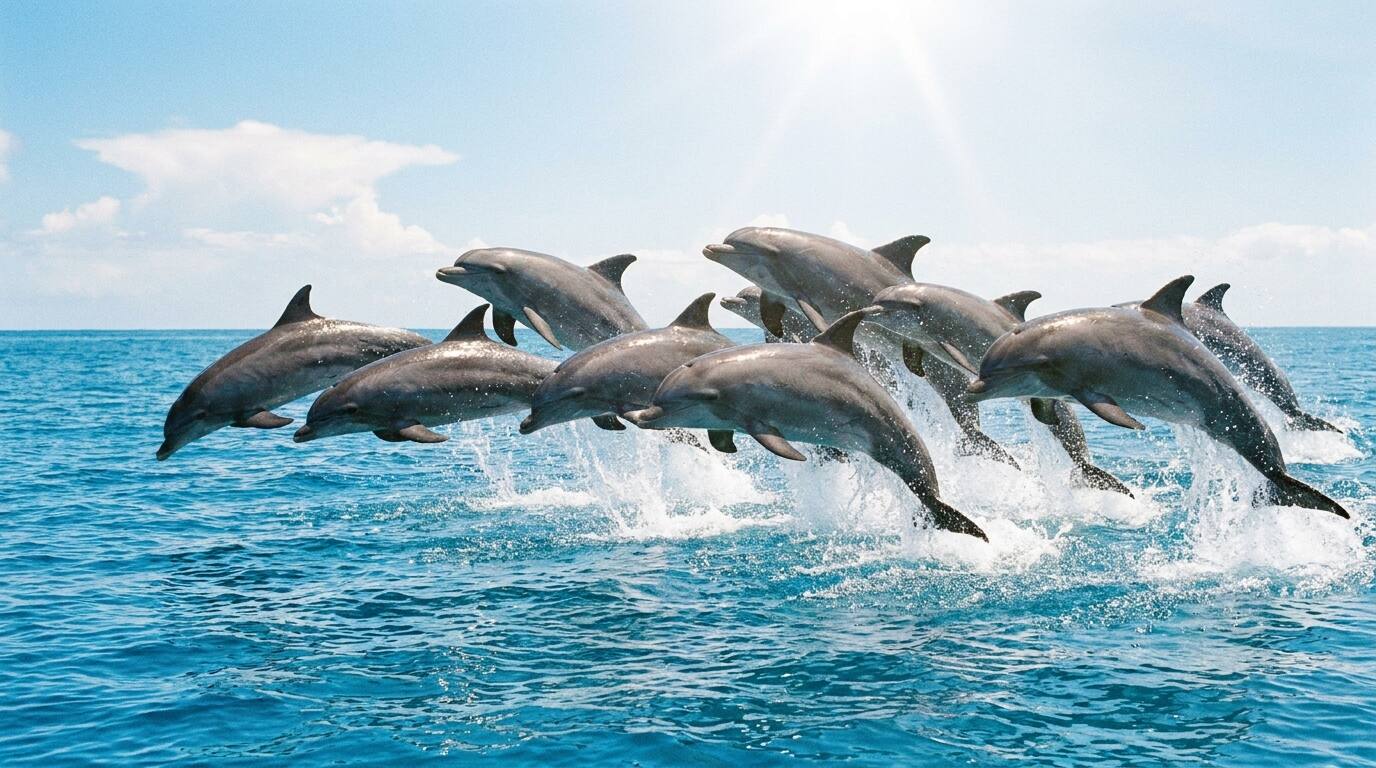
Dolphins
Intelligent, social, and never far from the surface.
Explore dolphins
Bears
Eight species, from the polar ice to Andean cloud forest.
Explore bears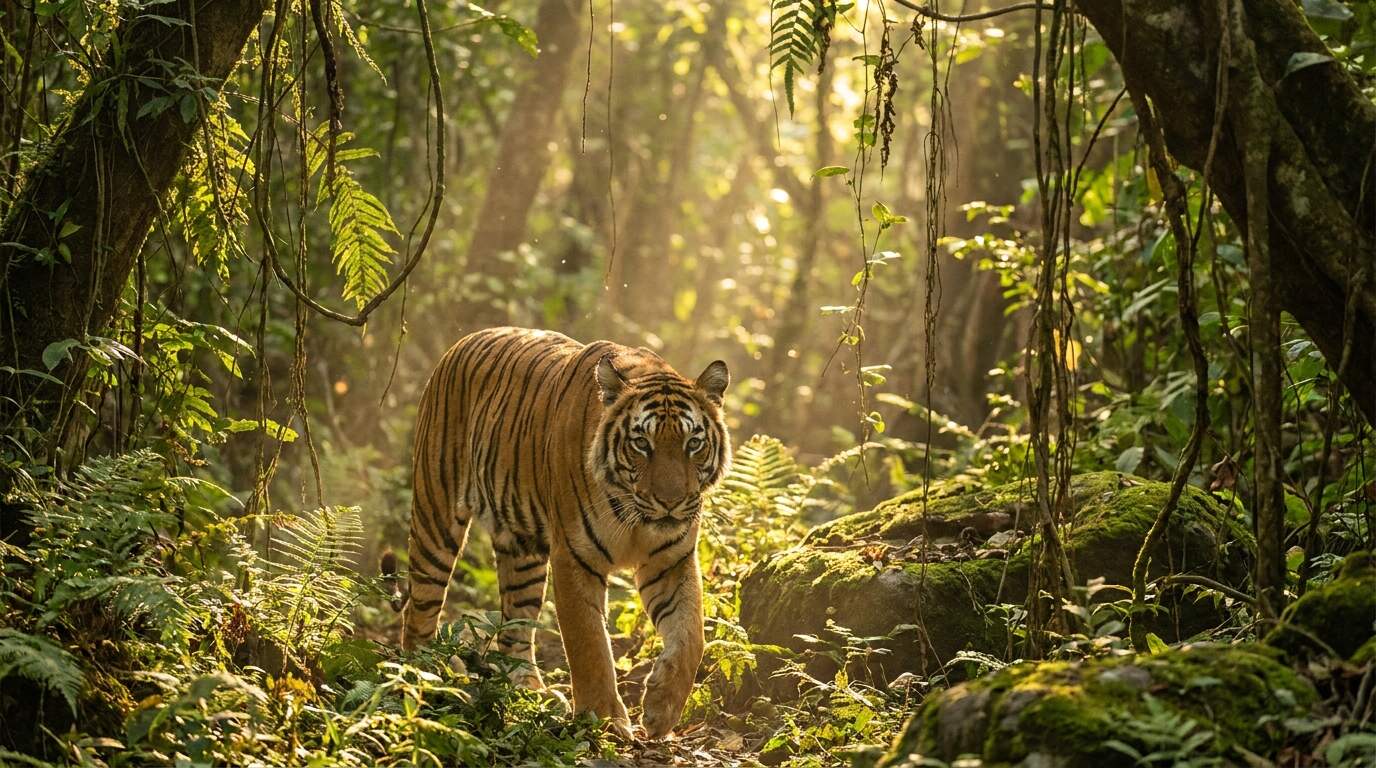
Tigers
The biggest cats on Earth, edging back from the brink.
Explore tigersGuides to the wider wild
Some stories cross between animals. These guides pull several species together.
- Endangered animals: how the IUCN Red List works, and which animals across our blogs are most at risk.
- Apex predators: what it means to sit at the top of a food chain, and why it matters.
- Ocean giants: the largest animals in the sea, from blue whales to whale sharks.
- Animal migration: why animals travel, and the journeys that still astonish us.
- Wildlife conservation: what conservation really involves, where it works, and where it does not.
Latest articles
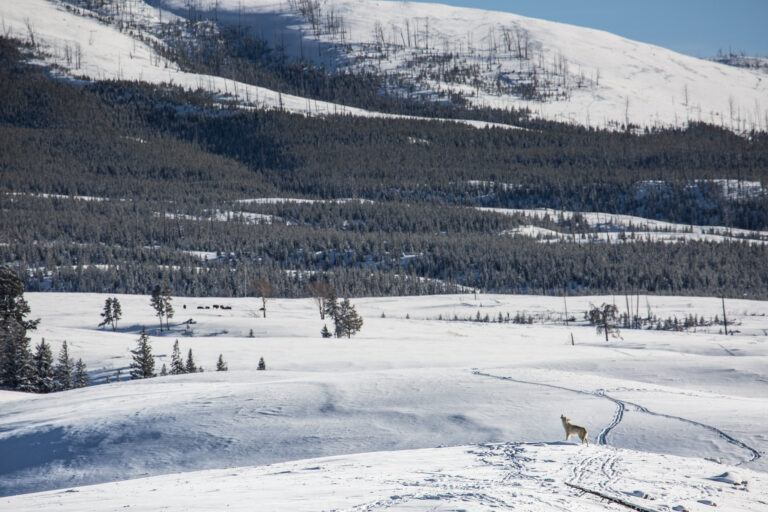
Long-Distance Animal Communication: How Far Each Call Carries
Whale song, elephant rumbles, wolf howls and dolphin whistles all reach animals out of sight. Here is how far each is measured or estimated to carry, and what decides the range.
Read the article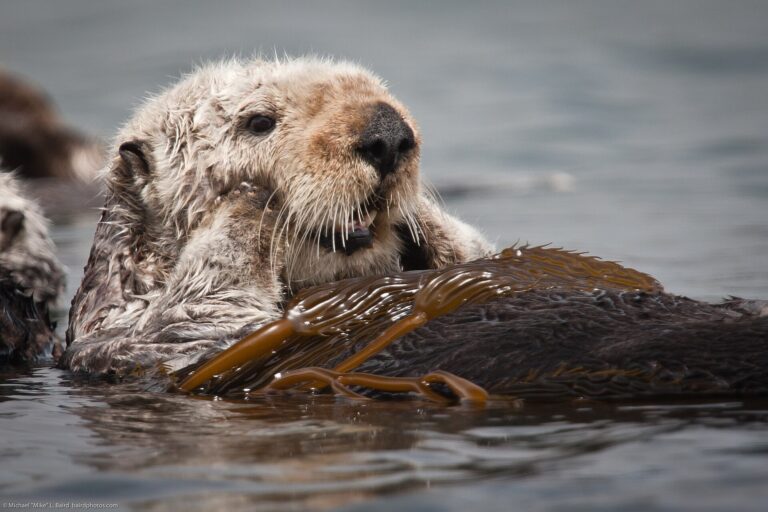
Keystone Species Explained: What the Evidence Shows
Sea stars, sea otters, Yellowstone wolves, elephants and tiger sharks are all called keystone species. Here is what the studies behind each case show, and where scientists still disagree.
Read the article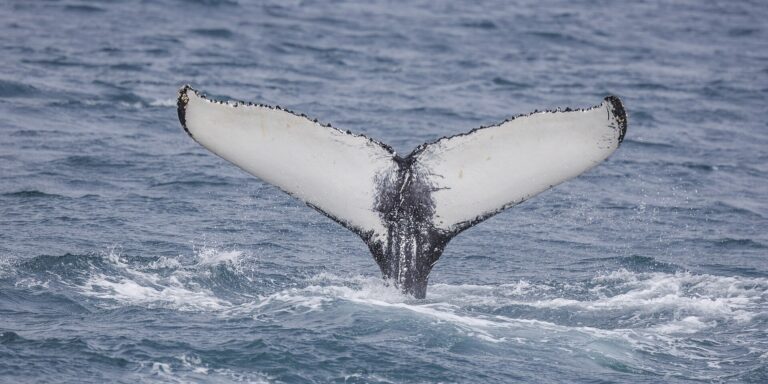
How Scientists Count Wild Animals: Stripes, Fins, DNA and Planes
Wildlife population figures are estimates, not head counts. Here is how camera traps, photo ID, DNA from droppings and aerial surveys count tigers, whales, pandas, bears and elephants.
Read the article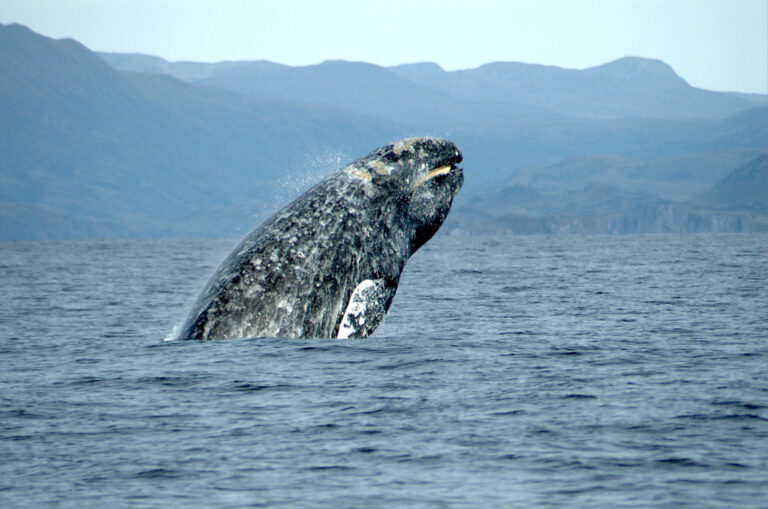
Why Animals Migrate and Disperse: Whales, Elephants, Wolves
Grey whales and humpbacks travel thousands of miles and come back. Young wolves leave home for good. Here is what drives each journey, from food and water to mates and, possibly, whale skin.
Read the article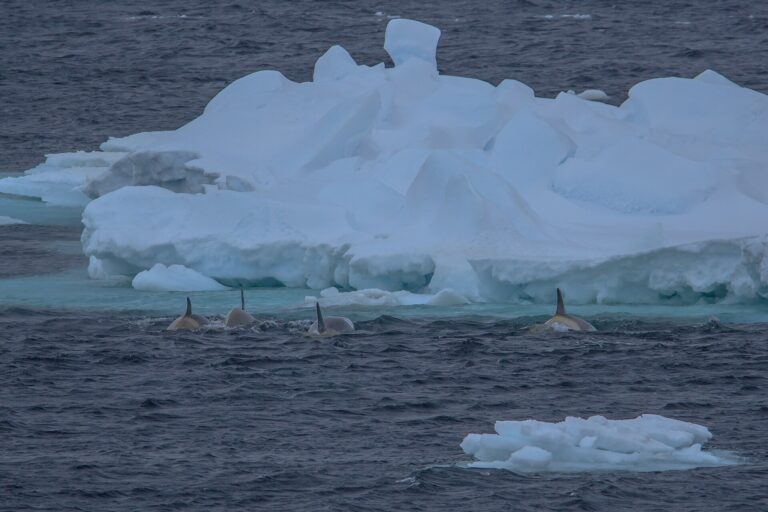
Do Apex Predators Have Predators? What Kills the Hunters
Apex predators are said to have no natural predators once grown. Orcas hunting white sharks, wolves killing rival wolves, disease and people show where that rule breaks.
Read the articleLatest from our blogs
When Do Tigers Move? What Camera Traps Show About Their Day
Tigers are not strictly nocturnal. Camera traps in Nepal and China show a day shaped by heat, prey, leopards and people. The post When Do Tigers Move? What Camera Traps Show About...
Read on We Love TigersHow Scientists Study Bears: Hair Snares, Collars and DNA
Bears are secretive and wide-ranging. Here is how researchers count them and track them, from barbed-wire hair snares to GPS collars. The post How Scientists Study Bears: Hair Snares, Collars and DNA...
Read on Love BearsDo Elephants Call Each Other by Name?
A 2024 study of wild elephants in Kenya found calls that seem to name their receiver. Here is how researchers tested it and what is still unknown. The post Do Elephants Call...
Read on Love ElephantsHow Wolves Move in Snow: Feet, Footload and Snowfall
Wolves spread their toes on snow, but a study of collared wolves in Alberta found falling snow slowed packs more than deep snow did. The post How Wolves Move in Snow: Feet,...
Read on We Love WolvesRed Panda Cubs: Birth, Den Life and Weaning Explained
How a red panda cub grows from a 100 gram newborn in a tree den to a young adult, with the timing from two zoos and a recent genetics study. The post...
Read on We Love PandasDolphin Senses: Taste, Smell and Electric Sense Explained
Dolphins have lost smell and most of their taste, yet they can recognise a friend by urine and sense weak electric fields. Here is what scientists found. The post Dolphin Senses: Taste,...
Read on We Love DolphinsEpaulette Shark: The Reef Shark That Walks and Shrugs Off Low Oxygen
The epaulette shark walks on its fins and survives night-time oxygen crashes in Great Barrier Reef tide pools. Here is what studies found, and what it does not. The post Epaulette Shark:...
Read on We Love SharksHow Baleen Whales Feed: Gulps, Skims and Bubble Nets
Baleen whales have no teeth. They use keratin plates as a sieve, and each species has its own way to fill it. The post How Baleen Whales Feed: Gulps, Skims and Bubble...
Read on Love WhalesView all posts
Every recent article from all eight We Love Wildlife blogs in one live feed.
See every postAbout We Love Wildlife
We Love Wildlife is edited by Aldo Hartley and connects eight specialist animal blogs under one roof. Read more about We Love Wildlife or meet the editor.